Look, here’s the thing: as a Canuck who’s spent enough nights spinning loonie-sized wagers and arguing odds over a Tim Hortons double-double, I care about how casinos sell the dream versus what the math actually delivers. This piece digs into casino advertising ethics, how the house edge really works, and what that means for Canadian players from Toronto to Vancouver. Real talk: if you’re experienced at this, you’ll want the numbers, not fluff — so I start with practical takeaways you can use right away.
Not gonna lie, most promos read like glossy movie posters: big jackpots, tiny entry points, and happy faces. In my experience, the truth is in the fine print and the payout flow — so I’ll walk through examples, show calculations in CAD, and give you a checklist to spot misleading ads before you hit « deposit. » Honest? Stick with me and you’ll spot the traps faster next time you see a C$1 offer or « 80 chances » banner.
Why Casino Ads Matter to Canadian Players
Advertising shapes what players expect — and for Canadians, those expectations often meet provincial rules like AGCO or iGaming Ontario oversight. The problem is simple: ads tend to highlight upside (jackpots, free spins) and bury expected loss in long T&Cs. This disconnect creates bad decisions, and in my experience that’s where most people overcommit. The next section breaks down how that mismatch works numerically so you can judge offers like an experienced bettor rather than a hopeful spectator.
Before we dive into formulas, consider how local payment rails like Interac e-Transfer and Instadebit affect the player’s experience and perception. When deposits and withdrawals are shown in C$ — say C$1, C$20, C$50 — the psychological impact is different than seeing USD equivalents, and casinos exploit that. Keep reading and I’ll show how a C$1 « fun-sized » offer can still cost you C$4,000 of wagering expectation in practice.
How the House Edge Really Works (With Examples in CAD)
Real talk: the house edge is just expected value (EV) per bet converted to a long-run percentage. For slots, the advertised RTP is the player’s long-term average return; the casino’s margin is 100% – RTP. For example, a slot with 95% RTP implies a 5% house edge. That sounds small until you multiply it by thousands of spins. The next paragraphs show concrete math using Canadian currency so you can quantify risk on promotions you see tonight.
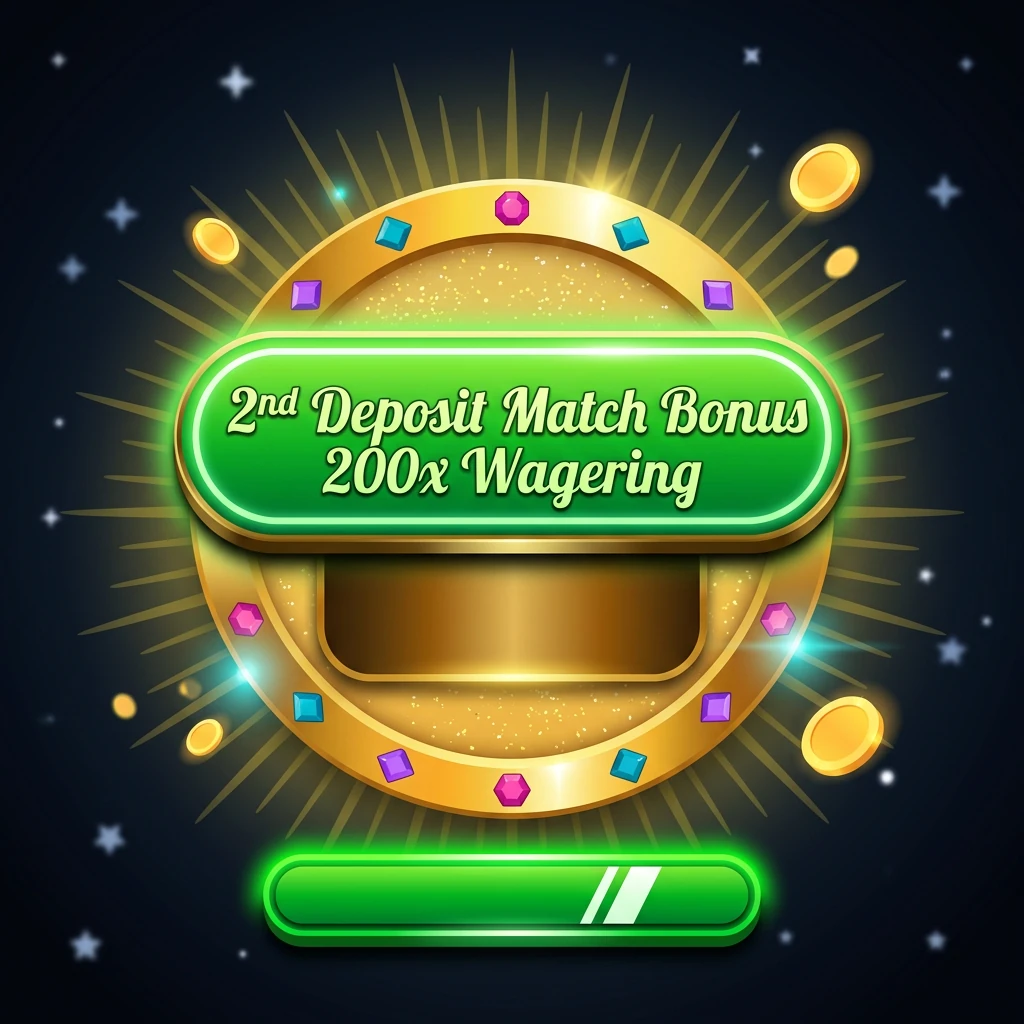
Example 1 — The C$1 « 80 chances » deal: imagine you deposit C$1, receive C$20 bonus converted into 80 spins at C$0.25, and face a 200x wagering requirement (C$4,000). If average RTP across eligible slots is 95%, your expected loss through that C$4,000 of wagering is 5% × C$4,000 = C$200 expected loss. So that flashy C$1 got you C$20 in spins but carries an implied expected loss of roughly C$200 while clearing the bonus — not including time, variance, or bet-size mistakes. That arithmetic is the first red flag most ads gloss over.
Example 2 — Cashing out after a lucky hit: say you turn the bonus into C$1,000 gross win during the 80 spins, but the wagering rule still requires C$4,000 playthrough. You must risk an additional C$3,000 (on average) to clear remaining wagering. With the 5% house edge, that extra play costs an expected C$150, reducing your realistic expected cashout. That sequence explains why those « little wins » often evaporate — the ad didn’t lie about the spin win, it simply hid the full cost to make that money withdrawable.
Comparing Ads vs Reality: A Side-by-Side Table for Experienced Players (Canada)
To make this concrete, here’s a tight comparison table with common ad claims vs what to check in the T&Cs — tailored for players who know their way around wagers, KYC, and provincial rules like AGCO and iGaming Ontario.
| Ad Claim | What to Verify | Real Impact (CAD) |
|---|---|---|
| « C$1 entry, 80 chances » | Wagering multiplier, eligible games, max bet | Often C$4,000 effective wagering (200x) → Expected loss ≈ C$200 at 95% RTP |
| « Win big jackpots » | Progressive eligibility, excluded games | Jackpots are lottery-style odds; don’t rely on them for bankroll growth |
| « Fast withdrawals » | Pending windows, KYC thresholds, Interac limits | 48-hour pending + 2–5 business days typical → C$50+ min withdrawal |
| « No fees » | Bank/wire fees, currency conversion, minimums | Wire fees often C$50–C$100; watch C$300 wire min |
That table should bridge the marketing hype to operational realities like Kahnawake or AGCO licensing, and payment frictions from Canadian banks such as RBC or TD. Up next I show a checklist you can use instantly when an ad pops up in your feed.
Quick Checklist: Spot Misleading Casino Ads (Canada-Focused)
Not gonna lie, I wish someone handed me this list years ago. Use these checks before you click an ad and you’ll save money and headaches.
- Check the currency: Is everything in C$? If not, calculate FX fees (Canadians hate conversion fees).
- Look for wagering requirements: Convert % or multiplier into absolute C$ you must bet (e.g., 200x of C$20 = C$4,000).
- Find eligible games: Are progressives or high-RTP slots excluded?
- Max bet rules: Is there a cap like 25% of bonus per spin that limits clearing speed?
- Withdrawal rules: Minimums (often C$50) and pending times (often 48 hours) — will that fit your cashflow?
- Payment methods: Is Interac e-Transfer listed? iDebit, Instadebit? If not, expect bank friction.
- Licensing & dispute route: AGCO/iGaming Ontario for Ontario players, Kahnawake for ROC — note which applies to you.
If an ad fails one of these checks, it’s not necessarily malicious, but you should treat the promo like entertainment money rather than a « no-risk » win path. The next section shows common mistakes even experienced players make while chasing offers.
Common Mistakes Experienced Players Keep Making
In my circles — folks who know the terms but still make rookie moves — these are the repeat offenders that burn bankrolls and tempers the fastest, especially around Canadian payment rails and seasonal promotions like Canada Day drops or Hockey Night offers.
- Assuming all spins count equally toward wagering. They don’t; many table games contribute only 2–10%.
- Using bonus-ineligible payment methods. Some e-wallets or Paysafecard deposits can exclude promos.
- Ignoring max bet limits while clearing bonus. Hitting the cap voids the bonus and any wins tied to it.
- Reversing withdrawals during pending windows, then complaining the money « never arrived ».
- Failing KYC due to sloppy docs: cropped ID photos or mismatched addresses delay everything.
These mistakes are avoidable. In practice, I save a screenshot of the T&Cs and a short note on eligible games before I deposit; that habit has saved me at least C$300 in failed bonus attempts over the years. Next, I’ll share two mini-cases that show how smart choices can change outcomes.
Mini-Case A: Playing the C$1 Offer Sensibly (Toronto)
I tested a C$1 welcome that granted C$20 in spins with 200x wagering on a known Microgaming progressive. I treated the C$20 as pure entertainment, limited bets to C$0.25 per spin, and kept expectations very low. After 80 spins I hit C$120 gross and decided the expected additional wagering (roughly C$3,880 remaining) wasn’t worth the chase — so I cashed out C$20 of deposit funds and left the bonus balance. Result: preserved bankroll, avoided C$150 expected loss, and kept the session fun. That choice reflects a core lesson: accept early wins as disposable entertainment unless you can afford the full expected-wagering cost in CAD.
Contrast that with a pattern I see where players double down, push bets to the cap, and then lose both the bonus and deposit when they trip T&Cs. The responsible route is boring but cheaper long-term, and I’ll show the math you can run fast in your head below.
Mini-Case B: Using Payment Method Strategy (Vancouver)
I once withdrew C$1,200 using Interac e-Transfer after clearing a lower-wagering reload. Interac is widely trusted in Canada, but banks sometimes flag gambling transactions — so I pre-cleared my bank with a quick chat and used the same method for deposit and withdrawal. The withdrawal hit in three business days after the mandatory 48-hour pending window. The lesson: pick Interac, Instadebit, or iDebit when promos allow, and keep your deposits/withdrawals consistent to speed KYC. That practical step avoids wire fees (C$50+) and keeps your money in CAD, preventing conversion costs.
How to Calculate Your Break-Even on a Bonus (Quick Formula)
Here’s a simple formula I use to judge whether a promo is worth playing: Required Wager × House Edge = Expected Loss. Convert everything to CAD first. For example:
- Required Wager = Bonus Amount × Wagering Multiplier
- House Edge = 1 − RTP (expressed as decimal)
- Expected Loss (CAD) = Required Wager × House Edge
So if Bonus = C$20, Multiplier = 200x, RTP = 0.95 → Required Wager = C$4,000; House Edge = 0.05; Expected Loss = C$200. If you’re risk-averse or working with a small bankroll, that expected loss is a red flag.
Ethical Advertising: What Regulators Expect in Canada
Provincial regulators like AGCO, iGaming Ontario, and bodies in Quebec expect ads to be fair and not misleading. For Ontario players, iGaming Ontario requires clear T&Cs and prominent responsible gaming notices. For Rest of Canada, provinces and the Kahnawake frameworks stress transparency and age limits (19+ in most provinces, 18+ in Quebec/Alberta/Manitoba). From a player’s perspective, you should expect ads to include basic facts: currency (C$), wagering multipliers, and minimum KYC triggers. If an ad hides these, treat it with suspicion and check the operator’s licensing before you play.
For a practical example of a Canadian-facing casino that shows clear CAD pricing and Interac support, see zodiac-casino-canada which lists payment options and licensing details in the cashier area — good practice you should look for in any ad you consider following. That transparency cuts down surprise fees and delays, and it’s a positive signal when evaluating marketing claims.
Common Regulatory Remedies and Player Rights
If you hit a dispute (confiscated bonus, KYC delay), your escalation path depends on licensing: AGCO/iGaming Ontario for Ontario accounts, Kahnawake Gaming Commission for many ROC accounts, plus third-party mediators like eCOGRA if the site is certified. Keep records: screenshots, chat logs, and transaction IDs. I always save a short timeline right after an issue pops up; it helps mediators cut to the chase. Also, if you value fast withdrawals, prefer operators that explicitly list Interac e-Transfer and Instadebit as options and show their pending windows up front.
One more practical rec: when an ad highlights a huge jackpot or « guaranteed wins, » check whether that promotion is actually run by the casino or is a network-level sweepstake. Sometimes the « guarantee » refers to a network draw across sister brands, not to every player who spins — subtle but important.
Mini-FAQ
FAQ for Experienced Canadian Players
Q: Are gambling winnings taxable in Canada?
A: Generally no — gambling wins are considered windfalls and are tax-free for recreational players. Professional gamblers are different and should consult a tax advisor or CRA guidance.
Q: Which payment methods reduce friction?
A: Interac e-Transfer, Instadebit, and iDebit are the Canadian staples; using the same method for deposit and withdrawal reduces KYC friction and bank flags.
Q: How do I spot a 200x wagering trap fast?
A: Multiply the bonus value by the multiplier and then apply expected house edge (1−RTP). If expected loss exceeds the fun-value you assign, skip it.
For a concrete example of a site that lists CAD banking and clear loyalty mechanics — useful when comparing ads to operational reality — check the cashier and licensing pages on zodiac-casino-canada as part of your vetting routine; it’s the kind of transparency I now expect before I follow a promo link. Honest: that small extra click has saved me more than a few headaches over the years.
Quick Checklist Recap and Final Recommendations
Quick Checklist Recap: Always convert to CAD, compute required wagering, check RTP/eligible games, verify payment methods (Interac/Instadebit/iDebit), confirm pending/withdrawal minimums (C$50 common), and verify regulator (AGCO/iGaming Ontario or Kahnawake). If more than two items fail your check, treat the ad as entertainment only and limit your deposit to C$10 or less.
My bottom-line advice: treat ads like entertainment prompts, not investment offers. Budget C$20–C$100 monthly for fun, use Interac when possible, and keep a running log of deposits and withdraws. If you want a single site to compare promos and see CAD banking upfront, I often use resources that link to Canadian-friendly operators and list Interac support clearly — including the cashier pages on zodiac-casino-canada for comparison. That habit keeps the math honest and the experience enjoyable.
Responsible gaming: 18+/19+ depending on province. Gambling is entertainment, not income. Set deposit, loss, and session limits; use self-exclusion if needed; contact ConnexOntario at 1-866-531-2600 or visit connexontario.ca for help in Ontario.
Sources: AGCO (agco.ca), iGaming Ontario (igamingontario.ca), Kahnawake Gaming Commission registry, eCOGRA certification documents, Canadian payment method summaries (Interac, Instadebit, iDebit) and personal testing notes.
About the Author: Oliver Scott — Canadian gambling analyst and frequent player with a background in payments and regulatory research. I live in Toronto, have done hands-on testing across Ontario and ROC, and I write to help experienced players make clearer, more mathematically sound choices when chasing promos.
Laisser un commentaire